Advanced Procedural Insights in Eye Surgery

Evidence-Based Ophthalmic Protocols for Lifetime Visual Acuity and Optical Precision

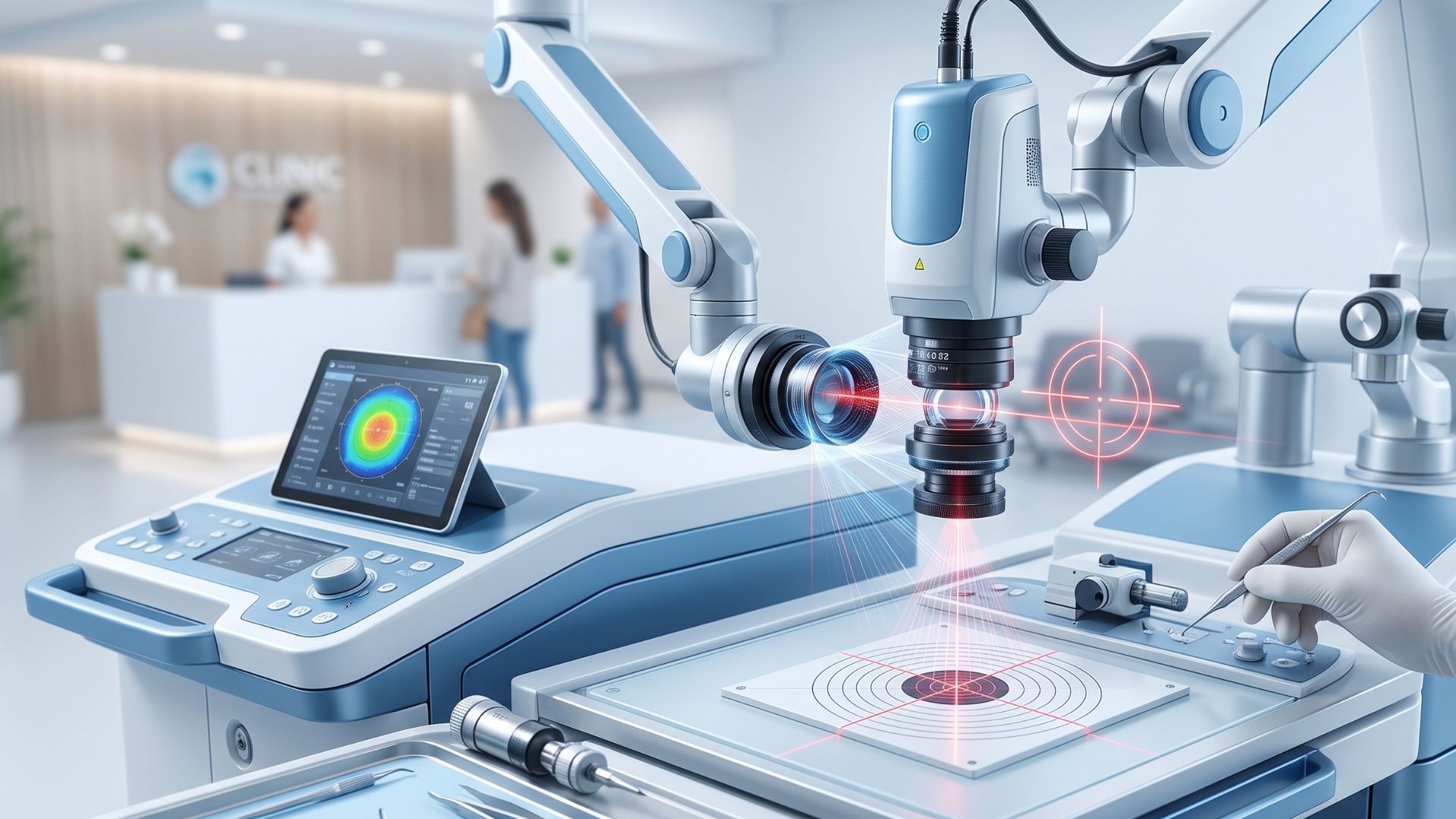
Modern ophthalmic science has evolved beyond simple refractive corrections into precision micro-surgical engineering. Within an accredited eye clinic in Turkiye, procedures are executed not merely to reduce lens dependency, but to systematically optimize corneal curvature, optical aberrations, and intraocular focal points. Operating in JCI-accredited surgical suites equipped with femtosecond lasers and high-definition diagnostic platforms, board-certified ophthalmic teams utilize internationally standardized techniques—such as wavefront-guided customization and intraoperative OCT monitoring—to ensure maximum patient safety, swift recovery, and crystal-clear visual outcomes.


Ophthalmic Procedural Navigator

Explore the core laser and intraocular procedures performed at Turkiye’s accredited eye clinics. Procedural selection is determined through multidisciplinary evaluation of corneal thickness, refractive errors, and optical health criteria.

Laser Vision Correction LASIK SMILE in Turkiye

Laser Vision Correction (LASIK/SMILE)

Cataract & Premium Trifocal Smart Lens Surgery

Cataract & Smart Lens Implants

Phakic ICL Implant Surgery for High Myopia

Phakic ICL (Contact Lens Implants)

Advanced Corneal and Retinal Care Interventions

Corneal, Glaucoma & Retina Care


Ophthalmic Mechanisms of Action

Understanding the optical and anatomical mechanisms induced by modern eye surgeries. Leading ophthalmic surgeons leverage these precise techniques to eliminate refractive errors and restore crystal-clear vision.

Corneal Refractive Reshaping

By precisely altering the anterior corneal curvature using cold-beam excimer or femtosecond pulses, the surgeon adjusts optical refraction so that incoming light rays focus exactly onto the retinal fovea, resolving myopia, hyperopia, and astigmatism.

Customized Wavefront Aberrometry

3D diagnostic eye mapping analyzes unique high-order optical irregularities. Applying a custom ablation profile smooths micro-imperfections across the cornea, dramatically enhancing night vision clarity and contrast sensitivity.

Diffractive Light Splitting (Trifocal Lenses)

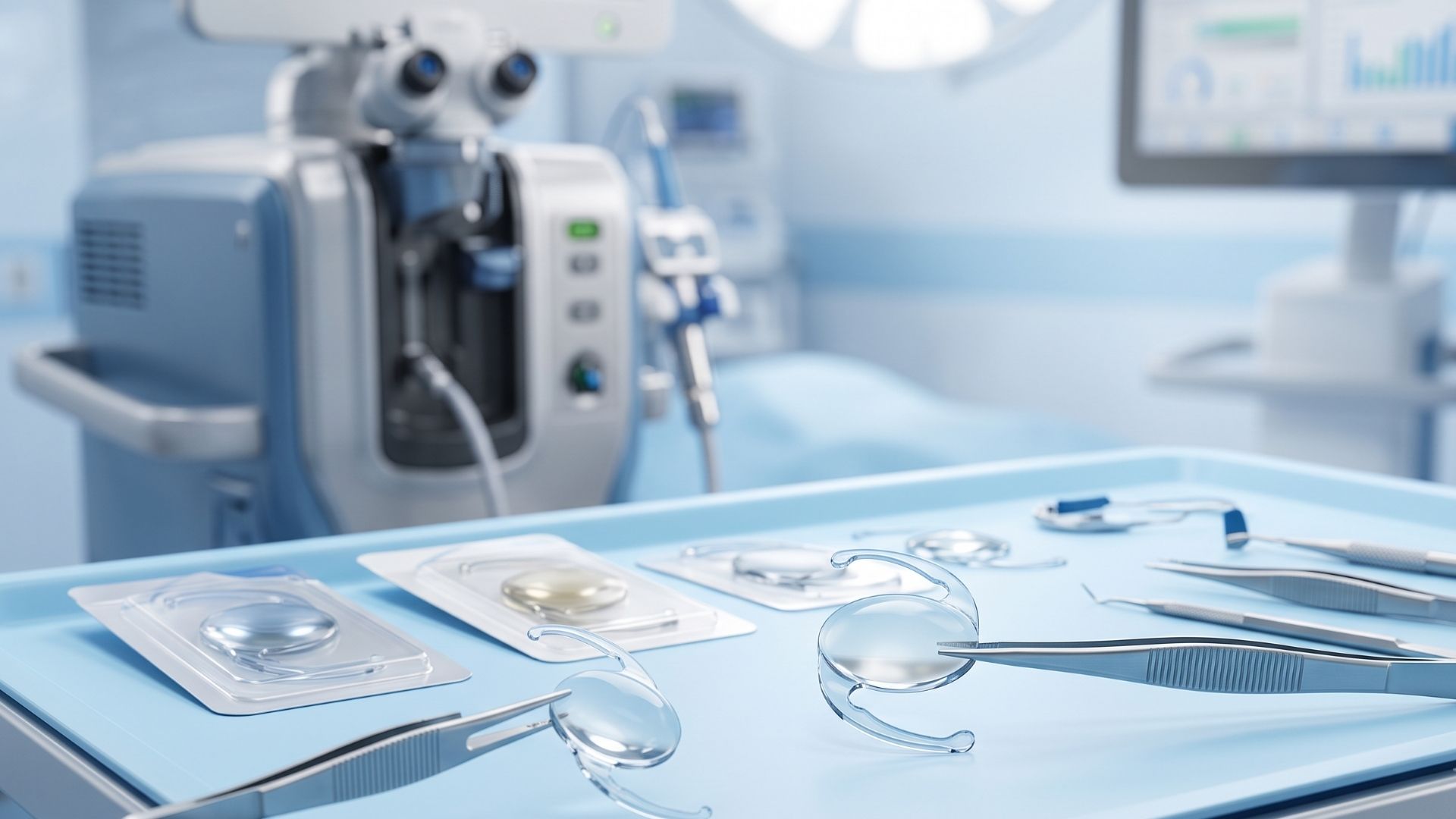
Replacing the aged natural lens with a biocompatible trifocal intraocular lens creates distinct focal points for near, intermediate, and distance focus, enabling full spectacle independence for presbyopic and cataract patients.

Intraocular Phakic Lens Implantation

Positioning a micro-thin lens directly behind the iris (anterior to the natural crystalline lens) corrects severe refractive errors without removing any corneal tissue, making it ideal for patients with thin corneas or high myopia.


Ophthalmic Procedural Decision Matrix

A comparative analysis of clinical eye surgery outcomes based on procedure averages. While every ophthalmic candidate requires individualized diagnostic triage, these metrics reflect international standards for vision correction success.

Laser Vision Correction (SMILE / LASIK)

Corneal Refractive Reshaping
  • Candidacy: Ages 18–45 with stable myopia, hyperopia, or astigmatism
  • Procedure Duration: 10–15 Minutes (Outpatient Day Care)
  • Visual Acuity Target: 20/20 Spectacle Independence
  • Clinical Recovery: 24–48 Hours

Flapless or ultra-thin flap femtosecond laser technology offering minimal dry eye risk and rapid visual restoration.

Trifocal Smart Lens Replacement

Intraocular Lens Replacement
  • Candidacy: Cataract patients or presbyopic candidates aged 45+
  • Procedure Duration: 15–20 Minutes per Eye (Day Surgery)
  • Visual Acuity Target: Complete Near, Intermediate & Distance Freedom
  • Clinical Recovery: 3–5 Days

Permanent intraocular solution replacing natural cloudy or aging lenses with high-definition diffractive optics.

Phakic ICL Implantation

Add-On Collagenous Implant
  • Candidacy: Thin corneas or extreme myopia (up to -20D) unsuitable for laser
  • Procedure Duration: 15 Minutes per Eye
  • Visual Acuity Target: High-Definition Night & Day Perception
  • Clinical Recovery: 24–72 Hours

Reversible, tissue-preserving intraocular option positioned behind the iris, protecting natural corneal thickness.

Presbyond & Specialized Corneal Care

Customized Ocular Interventions
  • Candidacy: Presbyopia (aging reading vision) or Keratoconus patients
  • Procedure Duration: 15–30 Minutes
  • Visual Acuity Target: Extended Depth of Focus / Corneal Stabilization
  • Clinical Recovery: 2–7 Days

Targeted laser profiles blending binocular vision or cross-linking UV therapies to arrest corneal ectasia.

*Success rates and recovery periods represent clinical estimates referenced from global ophthalmic registries (ESCRS/AAO).


Multidisciplinary Pre-Surgical Ophthalmic Diagnostics

Prior to entering the laser or intraocular suite, every patient at an accredited eye clinic in Turkiye undergoes 360-degree diagnostic screening. This multidisciplinary protocol eliminates perioperative risk factors and confirms 100% surgical candidacy.

CORNEAL
Pentacam 3D Topography

Sub-Micron Precision
Thickness & Ectasia Screening

High-resolution Scheimpflug tomographers map anterior and posterior corneal elevation, measuring precise pachymetry (thickness) to rule out subclinical keratoconus.

RETINAL & OPTIC
Macular & Nerve OCT Audits

HD Micro-Structure
Retinal Layer Imaging

Cross-sectional Spectral-Domain OCT verifies optic nerve health and macular integrity, while dynamic infrared pupilometry measures scotopic pupil sizes to prevent night glare.

OPTICAL
Wavefront Aberrometry & Glaucoma Check

Higher-Order Mapping
Custom Laser Profile Data

Wavefront sensors capture micro-aberrations across the entire optical path, paired with non-contact tonometer measurements to ensure optimal intraocular pressure baseline.


The Architecture of Post-Surgical Ophthalmic Recovery

Advanced laser technology restores your vision in seconds, but optimal, long-term clarity is anchored in structured post-operative ocular care. Accredited eye clinics in Turkiye provide a strict 4-phase ocular healing blueprint.

The Post-Op Ocular Healing & Care Blueprint

Designed by board-certified ophthalmic specialists, this post-operative protocol protects the corneal flap/lenticule interface, prevents post-surgical dry eye syndrome, and optimizes visual sharpness:

  • Phase 1: Immediate Flap / Epithelial Stabilization (Hours 0–24) – Mandatory resting phase wearing protective ocular shields with antibiotic and steroid drop protocols.
  • Phase 2: Hydration & Corneal Epithelialization (Days 2–7) – Introduction of preservative-free artificial tears and strict avoidance of eye rubbing, tap water contact, or eye makeup.
  • Phase 3: Visual Acuity Stabilization & UV Protection (Weeks 2–4) – Tapering medicated drops while utilizing 100% UV-blocking polarized eyewear outdoors to support corneal collagen healing.
  • Phase 4: Long-Term Optical Maintenance (Months 1–12) – Tele-ophthalmology check-ins and routine tear-film evaluations to ensure lifelong visual stability.

Clinical Risk Mitigation & Ophthalmic Safety

Surgical integrity relies on total procedural transparency. While all micro-surgical interventions carry baseline medical risks, accredited eye surgery centers in Turkiye employ standardized perioperative protocols to minimize complication rates.

Intraoperative Corneal Bed Verification

To guarantee structural corneal stability and prevent post-laser ectasia, operating surgeons enforce residual stromal bed (RSB) safety margins exceeding international ESCRS guidelines.

Endophthalmitis & Infection Prophylaxis

Infection risks are strictly controlled through povidone-iodine antisepsis, intraoperative intracameral antibiotic flushes during lens surgery, and sterile single-use surgical packs.

Climate-Controlled Laser Theaters

Partner eye hospitals utilize positive-pressure laminar airflow and humidity-controlled HEPA systems to maintain exact excimer laser energy absorption and surgical sterility.

Subspecialty On-Call Support

Maximum clinical safety is guaranteed by on-site cornea, glaucoma, and vitreoretinal subspecialists equipped for immediate complex perioperative consultation.


Technical Candidacy & Ophthalmic FAQ

Core clinical eligibility guidelines for eye surgery pathways. Accredited eye clinics in Turkiye adhere strictly to international ESCRS and AAO procedural standards.

What are the prescription limits for laser eye surgery?

Femto-LASIK and SMILE typically correct up to -10.00 diopters of myopia, +4.00 diopters of hyperopia, and 5.00 diopters of astigmatism, provided corneal pachymetry (thickness) meets safety thresholds.

What are the age guidelines for laser vs. lens surgery?

Corneal laser surgery is recommended for ages 18 to 40 with stable prescriptions. Patients aged 45+ or those presenting with cataracts are ideal candidates for premium intraocular lens (Trifocal/Smart Lens) replacement.

Are the visual results permanent?

Laser procedures permanently alter corneal curvature, and intraocular lens implants remain effective for a lifetime. Natural age-related presbyopia or systemic health shifts can still be addressed through minor enhancements or lens adjustments.

Scientific & Ophthalmic Information Disclaimer

The clinical and procedural information provided on eyeclinic.com.tr reflects current international ophthalmic literature and clinical safety guidelines. This content is for educational guidance only and does not constitute a formal medical diagnosis or surgical recommendation. Procedural candidacy can only be determined through full diagnostics and direct consultation with a board-certified ophthalmic surgeon. Always consult clinical specialists for personalized treatment plans.

Understand the Turkiye Advantage

Now that you are familiar with the eye surgery procedures and safety frameworks, discover the accredited hospital infrastructure and legal safeguards that position Turkiye as a global ophthalmic destination.