1. The Pathophysiology of Corneal Ectasia
Keratoconus and iatrogenic post-surgical ectasia are characterized by biomechanical weakening of the corneal stroma. This loss of structural integrity leads to progressive thinning, outward steepening (bulging), and the development of severe irregular astigmatism. Historically, patient management was limited to rigid gas permeable contact lenses to mask the irregularity, with penetrating keratoplasty (corneal transplant) serving as the eventual last resort.
Modern corneal therapeutics now prioritize early intervention. The primary clinical objective is to halt this biomechanical degradation before profound vision loss occurs, while simultaneously attempting to reverse some of the optical distortions caused by the asymmetrical cone formation.
2. Core Components of the Athens Protocol
To examine the foundational safety protocols applied in combined ectasia rehabilitation without requiring horizontal table scrolling on mobile screens, essential clinical pillars are structured into responsive cards below:
Clinical Standard: Customized excimer laser ablation targets only the most irregular topographical peaks to normalize the corneal surface, without aiming for full refractive correction.
Clinical Standard: Photochemical cross-linking strengthens the stromal collagen fibrils, increasing the cornea's biomechanical rigidity to freeze the disease progression.
Clinical Standard: Performing Topo-PRK immediately prior to CXL avoids disrupting a previously cross-linked cornea, maximizing both structural stability and visual outcomes.
Clinical Standard: The ablation depth is strictly limited to preserve the residual stromal bed, prioritizing structural integrity over perfect unaided visual acuity.
Journey with Confidence
Your health and well-being are our priority. Experience world-class medical excellence while exploring the wonders of Istanbul.
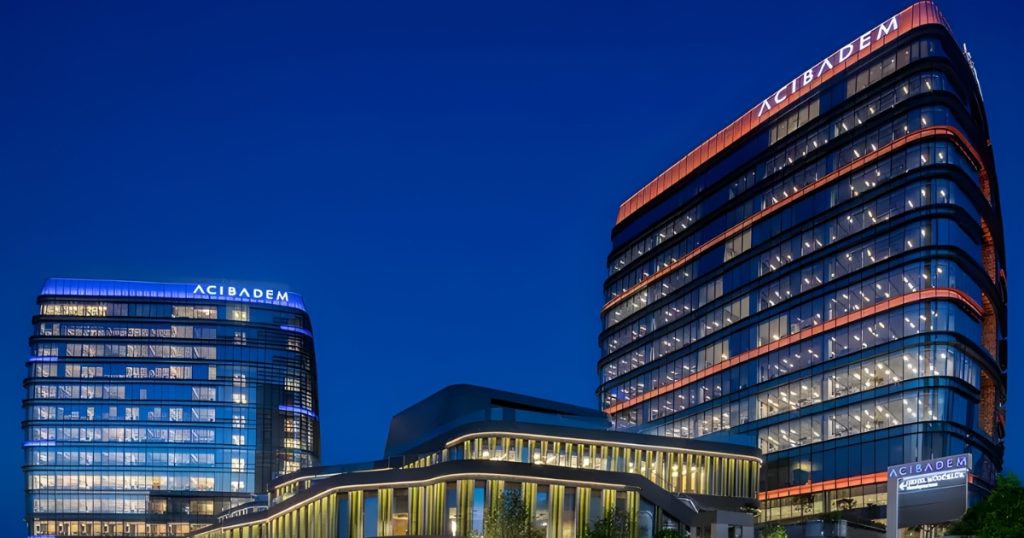
Acıbadem Hospitals Group:
Global Excellence in Healthcare
While you immerse yourself in the rich history of Istanbul, your well-being is protected by a future-focused healthcare leader. Acıbadem provides world-class medical services, from comprehensive health screenings to advanced treatments, all delivered with a commitment to your safety and comfort.
Travel with the assurance that you and your loved ones are in the most capable hands.
 Explore Medical Services →
3. Topography-Guided PRK: Surface Normalization
The first phase of the Athens Protocol utilizes a topography-guided excimer laser to perform a partial Photorefractive Keratectomy (PRK). Unlike standard refractive PRK intended to eliminate the need for glasses entirely, the surgical goal here is therapeutic "normalization."
By mapping the precise elevations of the keratoconic eye, the laser is programmed to selectively flatten the steepest apex of the cone while slightly steepening the adjacent, flatter areas. This calculated remodeling significantly reduces irregular astigmatism and higher-order aberrations, such as coma, transforming a highly asymmetric optical surface into a much more regular, functional shape.
4. Corneal Cross-Linking (CXL): Biomechanical Fortification
Immediately following the surface ablation, while the stromal bed is exposed, the eye undergoes Corneal Cross-Linking. The freshly ablated stroma is repeatedly saturated with riboflavin (Vitamin B2) drops and then exposed to a calibrated dose of Ultraviolet-A (UVA) light.
This photochemical reaction creates robust new covalent cross-links between adjacent collagen fibrils and proteoglycans within the corneal stroma. The process effectively stiffens the anterior portion of the cornea by up to 300%, locking the newly contoured shape in place and halting any further ectatic bulging or biomechanical failure.

5. Synergistic Advantages and Visual Outcomes
Combining these two procedures on the same day offers profound biomechanical and logistical advantages. If PRK were performed months after CXL, the laser would vaporize the most heavily cross-linked, rigid anterior stromal tissue, effectively removing the strongest part of the treated cornea and risking destabilization.
By normalizing the surface first and then cross-linking the newly shaped stroma, the Athens Protocol ensures that the densest cross-links are formed exactly where they are needed most. Clinical outcomes demonstrate that this synergy not only arrests keratoconus progression but consistently yields significant improvements in best-corrected visual acuity (BCVA) and dramatically increases patient tolerance for standard contact lenses.
To prevent further structural compromise in an already weakened keratoconic eye, the topography-guided PRK ablation in the Athens Protocol is strictly capped at a maximum depth of 50 micrometers. Safety relies on leaving a thick, healthy residual stromal bed for the CXL to reinforce.
Enrich Your Exploration
Enhance your medical journey with our hand-picked partners offering luxury stays and seamless travel in Turkiye.

Four Seasons:
Bosphorus, Perfected
Escape the city's vibrant pulse to a serene waterfront palace. Here, timeless elegance and flawless service create your perfect moment.
 Book Your Escape →

Garenta:
Discover More of Turkiye
Don't just see the landmarks; experience the real culture. Garenta offers the freedom to discover hidden treasures at your own pace.
 Get Your Car →
Academic References & Data Sources
- Journal of Refractive Surgery: Long-term Outcomes of the Athens Protocol (Topography-guided PRK combined with CXL) for Keratoconus.
- Cornea: Biomechanical and Topographical Synergies of Simultaneous PRK and Corneal Cross-Linking.
- American Academy of Ophthalmology (AAO): Clinical Guidelines for the Management of Progressive Corneal Ectasia and Irregular Astigmatism.