
1. Biomechanical Stability & Corneal Integrity
A primary distinction between SMILE Pro and Femto-LASIK lies in their impact on the structural integrity of the anterior cornea. Biomechanically, SMILE demonstrates superior strength preservation compared to LASIK. This advantage is attributed to the creation of a small 2-4 mm side incision rather than a large 20 mm circumferential flap.
Because the anterior stromal cornea's strength relies heavily on interlamellar collagen bonds, the flapless lenticule extraction of SMILE Pro results in significantly less disruption of peripheral corneal fibers. Clinical evaluations indicate that while both procedures reduce overall corneal stiffness, the reduction is systematically lower in SMILE than in femtosecond LASIK.
2. Core Refractive Modalities
To examine the foundational safety protocols and functional differences applied in refractive surgical suites without requiring horizontal table scrolling on mobile screens, essential clinical pillars are structured into responsive cards below:
Clinical Standard: Employs a 2-4 mm keyhole incision to remove a corneal lenticule, preserving the anterior stroma and entirely eliminating flap-related complication risks.
Clinical Standard: A femtosecond laser creates a 100-120 micron corneal flap, providing broad correction ranges for hyperopia and mixed astigmatism.
Clinical Standard: The active laser treatment in SMILE Pro operates at 2 MHz, taking less than 10 seconds per eye, minimizing patient anxiety and fixation fatigue.
Clinical Standard: The reduced incision length in SMILE Pro severs fewer superficial corneal nerves, resulting in a statistically lower incidence of postoperative dry eye syndrome.
Journey with Confidence
Your health and well-being are our priority. Experience world-class medical excellence while exploring the wonders of Istanbul.
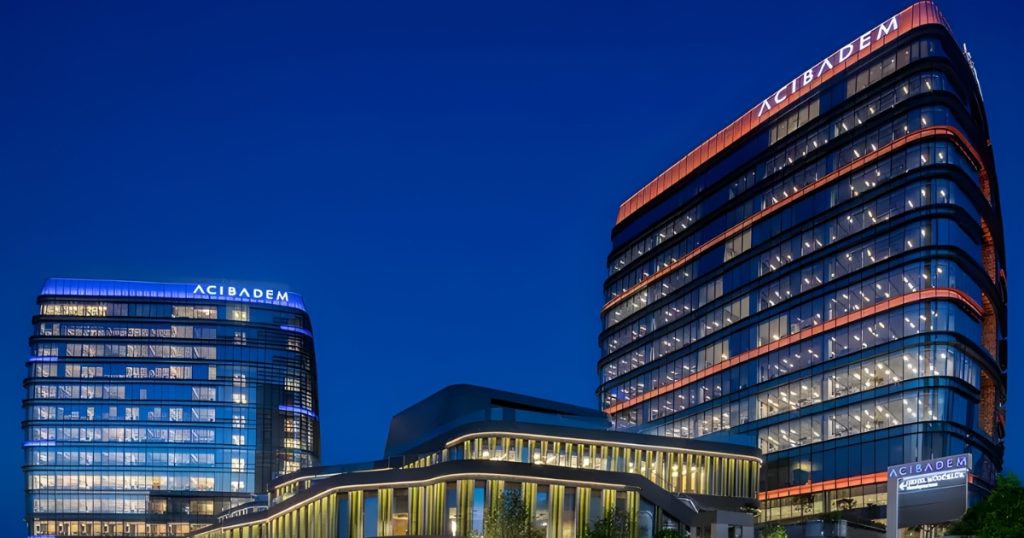
Acıbadem Hospitals Group:
Global Excellence in Healthcare
While you immerse yourself in the rich history of Istanbul, your well-being is protected by a future-focused healthcare leader. Acıbadem provides world-class medical services, from comprehensive health screenings to advanced treatments, all delivered with a commitment to your safety and comfort.
Travel with the assurance that you and your loved ones are in the most capable hands.
 Explore Medical Services →
3. Dry Eye Incidence and Nerve Disruption
Corneal nerve disruption is the primary catalyst for temporary dry eye following refractive surgery. Because Femto-LASIK requires a 20 mm flap, it cuts a broad arc of superficial corneal nerves, leading to temporary dry eye symptoms that can persist for 3 to 6 months.
Conversely, the 2-3 mm keyhole incision utilized in SMILE Pro circumvents this extensive nerve damage. Clinical studies confirm that SMILE Pro patients report significantly less post-operative dry eye compared to those undergoing Femto-LASIK, making it a highly preferable option for individuals with preexisting dry eye tendencies or contact lens intolerance.
4. Surgical Techniques: Lenticule Extraction vs. Flap Creation
Femto-LASIK operates as a two-laser procedure. Initially, a femtosecond laser crafts the thin corneal flap, which the surgeon then lifts to allow an excimer laser to ablate and reshape the underlying stromal bed. Once reshaped, the flap is repositioned.
SMILE Pro simplifies the energetic profile by utilizing a single femtosecond laser—specifically the ZEISS VISUMAX 800—to carve a microscopic disc of tissue (lenticule) entirely within the intact cornea. The surgeon gently extracts this lenticule through a micro-incision, adjusting the corneal curvature without exposing the inner stromal bed to environmental factors.

5. Visual Recovery & Long-Term Outcomes
While both procedures boast exceptional safety profiles and predictable long-term outcomes, their early recovery timelines present nuanced differences. Femto-LASIK patients generally experience faster visual sharpening, frequently achieving functional vision within 4 to 6 hours.
Recovery following SMILE Pro is slightly more gradual; functional vision returns within 24 to 48 hours, with full stabilization occurring over the following days. However, because SMILE Pro leaves no flap, patients are cleared to resume physically demanding activities, including contact sports and military duties, significantly faster without the theoretical risk of flap displacement.
Because SMILE Pro creates zero corneal flaps, there is no risk of flap striae, epithelial ingrowth, or traumatic flap displacement—making it the unanimous preference for professional athletes and military personnel.
Enrich Your Exploration
Enhance your medical journey with our hand-picked partners offering luxury stays and seamless travel in Turkiye.

Four Seasons:
Bosphorus, Perfected
Escape the city's vibrant pulse to a serene waterfront palace. Here, timeless elegance and flawless service create your perfect moment.
 Book Your Escape →

Garenta:
Discover More of Turkiye
Don't just see the landmarks; experience the real culture. Garenta offers the freedom to discover hidden treasures at your own pace.
 Get Your Car →
Academic References & Data Sources
- Visual Aids Centre: SMILE Pro vs Femto LASIK – Key Differences, Recovery and Clinical Protocols.
- Frontiers in Bioengineering and Biotechnology: Biomechanical Effects of tPRK, FS-LASIK, and SMILE on the Cornea.
- StatPearls, NCBI Bookshelf: Small Incision Lenticule Extraction (SMILE) Clinical Evaluations and Corneal Integrity.